
Postural Pain and Discomfort at Work: 10 Signs You Shouldn’t Ignore
 by
by 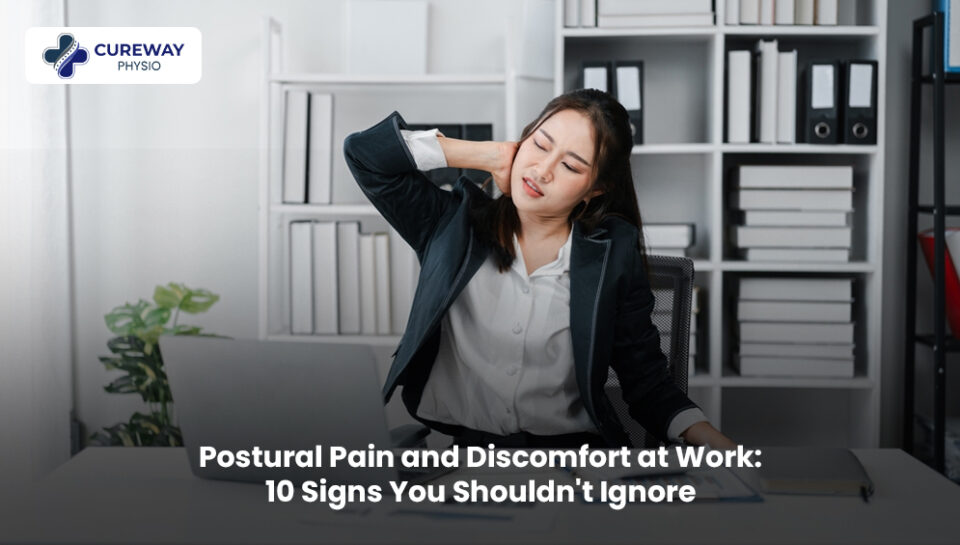
Why Workplace Posture Matters More Than Ever
Whether you’re working from an office, construction site, retail store, warehouse, or your home office, your body experiences repetitive stress every day. Many people assume occasional neck stiffness or lower back pain is simply part of working life. Unfortunately, that’s not true.
Ignoring small aches today can lead to long-term musculoskeletal injuries, reduced productivity, chronic pain, and extended time away from work. Poor workstation setup, prolonged sitting, repetitive lifting, awkward movements, and inadequate recovery are among the leading contributors to workplace discomfort. New Zealand workplace guidance encourages early reporting of discomfort, proper workstation setup, and regular movement to prevent injuries before they become chronic.
If you’re searching for a Work-Related Injuries physiotherapist in New Lynn, early physiotherapy intervention can make a significant difference.
What Causes Postural Pain at Work?
Poor posture doesn’t happen overnight.
Instead, it develops from hundreds of repeated movements performed every day.
Common causes include:
- Sitting for long periods
- Poor desk ergonomics
- Slouching while using a laptop
- Forward head posture
- Heavy lifting
- Repetitive manual work
- Standing in one position for hours
- Looking down at mobile phones
- Weak core muscles
- Limited movement during work
Even office workers are now experiencing injuries once commonly associated with physically demanding jobs because prolonged static postures place continuous stress on muscles and joints.
10 Signs You Shouldn’t Ignore
1. Persistent Neck Pain
If your neck feels tight every afternoon, your posture may be placing unnecessary strain on your cervical spine.
2. Shoulder Stiffness
Difficulty reaching overhead or rotating your shoulders often indicates muscle imbalance caused by prolonged sitting.
3. Lower Back Pain
One of the most common workplace complaints.
Pain that returns every workday should never be ignored.
4. Frequent Headaches
Poor posture can create excessive tension through your neck and upper shoulders, leading to tension headaches.
5. Tingling or Numbness
Pins and needles in your fingers or arms may suggest nerve irritation caused by prolonged poor positioning.
6. Wrist Pain
Typing, repetitive mouse use, and awkward wrist positions can contribute to repetitive strain injuries.
7. Reduced Flexibility
If your body feels “stuck” after sitting, mobility restrictions are already developing.
8. Muscle Fatigue
Feeling physically exhausted after a desk job often indicates inefficient posture forcing muscles to work harder than necessary.
9. Poor Balance
Weak core muscles and postural instability can affect coordination and increase injury risk.
10. Pain That Improves on Weekends
If symptoms disappear during holidays but return on Monday morning, your workplace habits are likely contributing to the problem.
Common Work-Related Injuries Physiotherapists Treat
A Work-Related Injuries physiotherapist regularly helps patients recover from:
- Neck pain
- Lower back pain
- Shoulder impingement
- Rotator cuff injuries
- Tennis elbow
- Carpal tunnel symptoms
- Repetitive strain injuries (RSI)
- Sciatica
- Muscle strains
- Joint sprains
- Postural dysfunction
- Workplace lifting injuries
Many of these conditions respond best when assessed and treated early before pain becomes persistent.
Who Is Most at Risk?
You don’t need to work in construction to suffer workplace injuries.
Higher-risk occupations include:
- Office workers
- Remote employees
- Nurses
- Teachers
- Warehouse staff
- Retail employees
- Electricians
- Plumbers
- Hairdressers
- Drivers
- Factory workers
- Healthcare professionals
Anyone performing repetitive tasks can develop musculoskeletal problems.
How Physiotherapy Helps You Recover Faster
At Cureway Physio, treatment goes beyond pain relief.
A physiotherapist identifies the root cause of your symptoms before creating a personalised recovery plan.
Treatment may include:
- Comprehensive movement assessment
- Manual therapy
- Joint mobilisation
- Soft tissue treatment
- Individual rehabilitation exercises
- Posture correction
- Strength training
- Ergonomic advice
- Return-to-work planning
- Injury prevention education
The goal isn’t simply reducing pain.
It’s helping you move better, work comfortably, and reduce the likelihood of future injuries.
Daily Tips to Prevent Workplace Pain
Simple habits can make a huge difference.
Move Every 30–45 Minutes
Stand, stretch, or walk for two minutes.
Adjust Your Screen Height
Your monitor should sit around eye level.
Keep Your Feet Supported
Feet should remain flat on the floor or on a footrest.
Relax Your Shoulders
Avoid lifting your shoulders while typing.
Strengthen Your Core
Core stability supports better posture.
Stay Hydrated
Drinking water naturally encourages movement breaks.
Alternate Positions
Switch between sitting and standing if possible rather than remaining in one posture all day.
When Should You Book a Physiotherapy Appointment?
Don’t wait until pain becomes unbearable.
Book an assessment if:
- Pain lasts longer than one week
- Symptoms keep returning
- You struggle to complete work tasks
- Sleep is affected
- Pain spreads into your arms or legs
- You experience numbness or weakness
- Daily movement becomes difficult
Early treatment often means faster recovery and a lower chance of long-term problems.
Why Choose Cureway Physio in New Lynn?
Choosing the right physiotherapist can make a significant difference to your recovery.
At Cureway Physio, patients receive:
- Individualised assessments
- Evidence-based treatment
- Personal rehabilitation plans
- Hands-on physiotherapy
- Exercise-based recovery
- Workplace injury management
- Posture correction advice
- Long-term prevention strategies
Whether you work in an office, on-site, or from home, a tailored plan can help you return to comfortable movement and everyday activities.
Final Thoughts
Small aches are often your body’s earliest warning signs.
Ignoring persistent neck pain, back discomfort, shoulder stiffness, or repetitive strain symptoms can lead to more serious work-related injuries over time.
Seeking help early from a Work-Related Injuries physiotherapist in New Lynn allows problems to be identified before they become chronic. With the right assessment, personalised treatment, and practical workplace advice, you can recover faster, improve your posture, and reduce the risk of future injuries.
Frequently Asked Questions
1. What are the most common work-related injuries?
Neck pain, lower back pain, shoulder injuries, repetitive strain injuries, wrist pain, muscle strains, and posture-related discomfort.
2. Can poor posture really cause long-term pain?
Yes. Poor posture places ongoing stress on muscles, joints, and ligaments, increasing the risk of chronic musculoskeletal problems if not addressed.
3. When should I see a Work-Related Injuries physiotherapist?
If pain lasts more than a few days, keeps returning, affects your work, or limits your daily activities, it’s a good idea to seek an assessment.
4. Can physiotherapy help office workers?
Absolutely. Physiotherapy can improve posture, reduce pain, strengthen supporting muscles, and provide ergonomic advice tailored to your workstation.
5. How many physiotherapy sessions will I need?
This depends on the type and severity of your injury. Some people improve within a few visits, while others benefit from a structured rehabilitation programme.
6. Does physiotherapy help prevent future workplace injuries?
Yes. Along with treatment, physiotherapists provide education, exercises, and movement strategies that reduce the risk of recurring injuries.