
Muscle Strains and Ligament Injuries in Henderson: Causes, Treatment & Recovery
 by
by 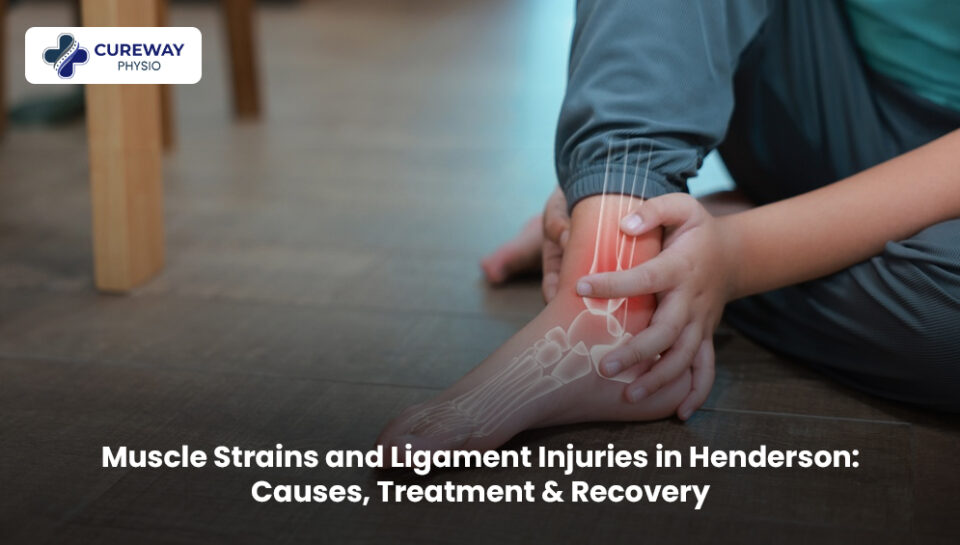
Muscle strains and ligament injuries can happen during sport, exercise, work, or even everyday activities. A sudden movement, awkward landing, lifting something incorrectly, or pushing the body beyond its usual limits can leave you dealing with pain and restricted movement.
While some injuries settle with rest and sensible care, others may need professional assessment to prevent ongoing problems. Understanding what caused the injury, recognising the warning signs, and getting the right treatment can make recovery more manageable.
For people looking for Muscle strains and ligament injuries in Henderson, physiotherapy can provide a structured approach to recovery while helping restore strength, mobility, and confidence in movement.
What Is a Muscle Strain?
A muscle strain occurs when a muscle or the tendon connecting it to bone is overstretched or damaged. The injury can range from a mild stretch to a more significant tear.
Strains commonly affect areas such as:
- Hamstrings
- Calf muscles
- Thighs
- Lower back
- Shoulders
- Neck
A strain may happen suddenly during physical activity, but repetitive movements and overuse can also contribute.
Typical symptoms include localised pain, tenderness, stiffness, swelling, reduced strength, and discomfort when using the affected muscle.
What Is a Ligament Injury?
Ligaments are strong bands of tissue that connect bones and help stabilise joints. When a ligament is stretched beyond its normal range or torn, the result is commonly called a sprain.
Ankle, knee, wrist, and shoulder ligaments are particularly vulnerable during falls, sudden changes in direction, contact sports, or unexpected twists.
Depending on the severity, symptoms can include pain around the joint, swelling, bruising, difficulty bearing weight, and a feeling that the joint is unstable.
Not every injury looks serious from the outside. Persistent pain or difficulty moving normally is a good reason to have the problem assessed.
Common Causes of Strains and Ligament Injuries
There isn’t always one obvious cause. Some injuries occur in an instant, while others develop gradually.
Common situations include:
Sports and exercise: Running, jumping, lifting, and quick changes of direction can place considerable stress on muscles and joints.
Sudden movements: Turning, reaching, or stopping unexpectedly can push tissues beyond their comfortable range.
Falls: A fall can force a joint into an unusual position and affect surrounding ligaments or muscles.
Poor movement patterns: Repeatedly using the body with inefficient technique can increase physical stress over time.
Insufficient recovery: Returning to demanding activity before an earlier injury has properly recovered may increase the chance of another problem.
When Should You See a Physiotherapist?
Minor injuries may improve with appropriate early care, but persistent or worsening symptoms shouldn’t simply be ignored.
Consider professional assessment if you experience:
- Pain that isn’t improving
- Significant swelling or bruising
- Reduced joint movement
- Difficulty walking or using the affected limb
- Noticeable weakness
- Repeated injuries in the same area
- Pain that returns when you resume activity
A physiotherapist can assess how the injury affects movement and determine an appropriate rehabilitation approach.
How Physiotherapy Can Help
Treatment isn’t necessarily about simply reducing pain. A good rehabilitation plan considers why the injury happened and what your body needs to return to normal activity.
Depending on the injury, physiotherapy may involve hands-on treatment, mobility exercises, strengthening work, movement retraining, and a gradual return to normal activities.
Your physiotherapist may first assess your movement, strength, flexibility, joint function, and symptoms. From there, treatment can be adjusted to your individual needs.
Restoring Movement
Pain can make you move differently. You may avoid certain positions or put more pressure on another part of the body. Over time, this can affect movement patterns.
Appropriate mobility exercises can help restore comfortable movement without unnecessarily aggravating the injury.
Building Strength
After an injury, muscles can lose strength surprisingly quickly, particularly when activity has been reduced.
A progressive strengthening programme helps rebuild capacity and prepares the body for everyday activities, work, exercise, or sport.
Returning to Activity Safely
Feeling better doesn’t always mean the injured area is ready for full activity.
A gradual return can help you build tolerance step by step. Depending on your goals, this might mean progressing from normal walking to running, or from basic exercises back to sport-specific movements.
Don’t Forget About Your Lower Back
Lower back discomfort can sometimes occur alongside muscle strains, particularly after lifting, repetitive work, exercise, or sudden movements. It can also develop independently from other injuries.
People searching for Lower back pain treatment in Henderson may benefit from an assessment that looks beyond the painful area.
Several factors can contribute to back pain, including movement habits, muscle strength, physical workload, prolonged positions, previous injuries, and changes in activity levels.
Physiotherapy can help identify movements or activities that may be contributing to symptoms and develop a practical plan to improve mobility, strength, and confidence.
Simple Steps That May Support Recovery
How you manage an injury between appointments can make a difference.
Keep moving appropriately
Complete rest isn’t always necessary. Gentle movement within your comfortable limits can help prevent excessive stiffness. However, avoid activities that significantly increase your symptoms.
Follow your rehabilitation plan
Exercises are most useful when performed consistently and progressed at the appropriate stage of recovery.
Increase activity gradually
Avoid going from very little activity straight back into demanding exercise. Give your body time to adapt.
Pay attention to changes
If pain, swelling, weakness, or movement difficulties are increasing rather than improving, seek professional advice.
Don’t rush the final stage
Returning to normal daily activities may happen before you’re ready for demanding sport or heavy physical work. Rehabilitation should reflect what you actually need to do.
Preventing Future Injuries
You can’t prevent every injury, but you can reduce some of the factors that make them more likely.
Regular strength training, suitable warm-ups, sensible increases in exercise, good movement technique, and adequate recovery can all support physical resilience.
If you’ve previously injured an area, continuing to work on strength and control after symptoms settle may also be useful. Your physiotherapist can help identify areas that may need additional attention.
Why Local Physiotherapy Can Be Useful
Having access to physiotherapy in your local area can make it easier to attend appointments, stay consistent with rehabilitation, and address problems before they interfere further with work, exercise, or everyday life.
At Cureway Physio, treatment can be tailored around your symptoms, lifestyle, activity level, and recovery goals. Whether you’re dealing with a recent injury or have been managing discomfort for some time, an assessment can help clarify the next steps.
Frequently Asked Questions
1 How long does a muscle strain take to recover?
Recovery varies depending on the severity of the injury, the affected tissue, your general health, and how you respond to rehabilitation. Mild strains may improve relatively quickly, while more significant injuries can require several weeks or longer.
2 Should I exercise with a ligament injury?
It depends on the injury and its severity. Some movement may be appropriate, while certain activities could make the problem worse. A physiotherapist can guide you on what to do and when to progress.
3 Can physiotherapy help with recurring injuries?
Yes. Treatment can address not only current symptoms but also strength, mobility, movement control, and other factors that may contribute to repeated problems.
4 When should I seek help for lower back pain?
If back pain is persistent, limiting your normal activities, repeatedly returning, or accompanied by concerning symptoms, professional assessment is appropriate. Severe or unusual symptoms may require urgent medical attention.
5 Do I need a referral to see a physiotherapist?
Requirements can vary depending on your circumstances and the type of care you need. Contact the clinic directly to discuss your situation and appointment options.
Take the Next Step With Cureway Physio
Pain and movement restrictions don’t have to become something you simply work around. Getting an appropriate assessment can help you understand what’s happening and what you can do to move forward.
If you’re dealing with a muscle or ligament injury, ongoing back discomfort, or difficulty returning to your usual activities, Cureway Physio can help you work towards a practical recovery plan.
Contact Cureway Physio to discuss your symptoms and arrange an assessment in Henderson.