How ACC Physiotherapy Helps You Recover After an Injury
 by
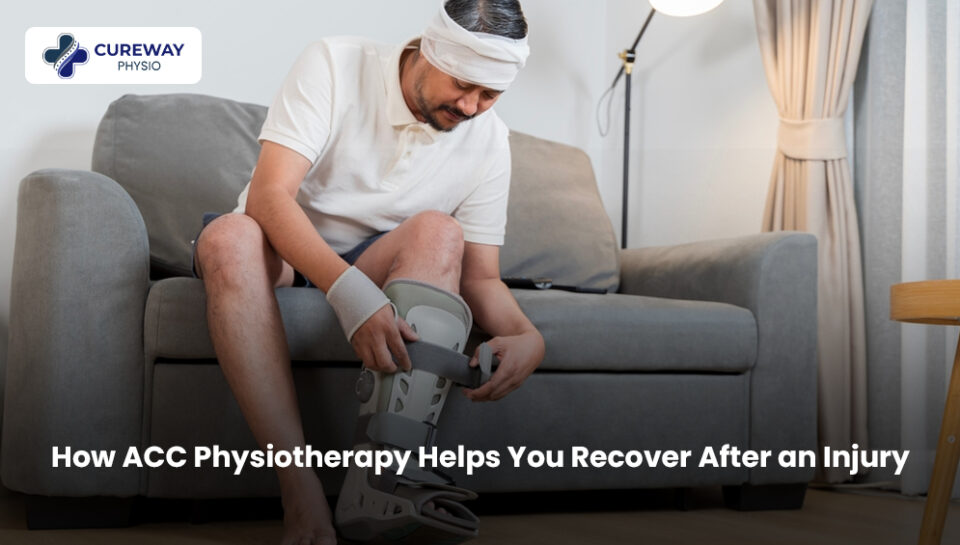
An unexpected injury can affect much more than your physical health. It can make working, driving, exercising, and completing everyday tasks difficult. Even a simple movement, such as bending down or climbing stairs, may become uncomfortable.
If you have experienced an accident in Auckland, understanding your treatment options is an important first step. New Zealand’s Accident Compensation Corporation (ACC) provides support for eligible personal injuries, including access to certain rehabilitation and treatment services.
Finding the right physiotherapist can also make the recovery process easier to understand. With professional guidance, you can work towards improving movement, rebuilding strength, and returning to your usual activities.
If you are looking for ACC Injury Rehabilitation in Auckland, this guide explains how the process works, what injuries may benefit from physiotherapy, and what to expect during treatment.
What Is ACC Injury Rehabilitation and How Does It Help?
ACC injury rehabilitation is a treatment and recovery process designed to help people manage injuries caused by accidents. It focuses on restoring physical function, improving movement, and supporting a safe return to everyday activities.
In New Zealand, ACC provides injury-related support when a claim meets its cover requirements. Depending on the injury and treatment needed, this support may include contributions towards physiotherapy and other approved healthcare services.
Physiotherapy plays an important role because injuries can affect muscles, joints, ligaments, tendons, and overall movement.
A physiotherapist assesses your condition and recommends suitable treatment based on your symptoms, physical abilities, and recovery goals.
How Can Physiotherapy Support Your Recovery?
A structured rehabilitation programme may help you:
- Improve joint movement and flexibility.
- Rebuild strength after an injury.
- Manage pain and physical discomfort.
- Improve balance, stability, and coordination.
- Return to work and everyday activities.
- Develop better movement habits.
- Reduce the risk of further injuries.
Every injury is different. Your treatment should reflect your condition rather than follow a standard programme designed for everyone.
How Does the ACC Physiotherapy Process Work in Auckland?
Understanding the ACC process can help remove some of the uncertainty surrounding injury treatment.
You do not necessarily need to visit your GP before seeing an ACC-registered physiotherapist. A registered physiotherapist can lodge an appropriate injury claim when the injury and circumstances meet ACC requirements.
Here is what the process generally involves.
Step 1: Initial Injury Assessment
Your first appointment usually begins with a discussion about how the injury happened and how it affects your daily routine.
Your physiotherapist may ask about:
- When and where the injury occurred.
- Which movements cause discomfort.
- Your previous injury or treatment history.
- Activities you currently struggle with.
- Your personal recovery goals.
They may also assess your posture, joint movement, muscle strength, and flexibility.
This information helps them understand your condition and identify suitable treatment options.
Step 2: Understanding Your ACC Claim
If your injury may qualify for ACC cover, your treatment provider can help submit the relevant claim information.
The provider records details about the injury and the circumstances surrounding it.
ACC then reviews the claim and determines whether the injury qualifies for cover. An ACC claim being submitted does not automatically mean it has been accepted.
If you already have an approved claim, bring your claim details to your appointment so your physiotherapist can understand your treatment history.
Step 3: Creating a Personalised Rehabilitation Plan
Once your physiotherapist understands your condition, they can recommend a treatment plan based on your needs.
This may include:
- Gentle mobility exercises.
- Targeted strengthening activities.
- Hands-on physiotherapy where appropriate.
- Balance and coordination exercises.
- Advice on managing daily activities.
- Home exercises to support progress between appointments.
The plan may change as your strength, movement, and physical abilities improve.
Step 4: Monitoring Your Recovery Progress
Recovery is not always a straight line. Some movements may improve quickly, while others need more attention.
Follow-up appointments allow your physiotherapist to review your progress and adjust your exercises when needed.
Regular assessments also help identify difficulties before they become bigger obstacles to your recovery.
What Types of Injuries Can Benefit From ACC Rehabilitation?
Accidents can affect different parts of the body. Some injuries happen during sports, while others occur at work, on the road, or during everyday activities.
Physiotherapy may help manage several types of accident-related injuries.
Back and Neck Injuries
Back and neck injuries can make sitting, standing, lifting, and turning uncomfortable.
They may occur after a vehicle accident, a workplace incident, or a sudden physical movement.
Physiotherapy may involve gentle movement exercises, mobility work, strengthening, and advice on everyday activities.
The treatment approach depends on the affected area and the nature of the injury.
Sports Injuries and Muscle Strains
A sudden change in direction, an awkward landing, or excessive physical strain can lead to sports injuries.
Common examples include:
- Hamstring and calf muscle strains.
- Ankle sprains.
- Knee injuries.
- Shoulder injuries.
- Tendon-related injuries.
Rehabilitation may focus on restoring strength, improving flexibility, and rebuilding confidence in movement.
Athletes may also need sport-specific exercises before returning to training or competition.
Shoulder, Knee and Ankle Injuries
Joint injuries can interfere with simple activities such as reaching overhead, walking, climbing stairs, or carrying shopping.
Physiotherapy can help improve joint mobility, muscle strength, stability, and movement control.
For example, someone recovering from an ankle injury may need balance exercises before returning to running or uneven surfaces.
Workplace and Everyday Accident Injuries
Workplace accidents can involve lifting injuries, slips, falls, repetitive strain, and sudden physical movements.
These injuries may affect your ability to complete normal job responsibilities.
A rehabilitation programme can focus on restoring the strength and movement needed for work-related tasks.
Your physiotherapist may also discuss movement techniques and practical adjustments that support your recovery.
What Happens During an ACC Physiotherapy Appointment?
Your first appointment is an opportunity to understand your injury and discuss what you want to achieve through treatment.
Although every consultation is different, a typical appointment may include several stages.
- Discussion About Your Injury
Your physiotherapist asks about your symptoms, accident history, daily activities, and recovery concerns.
- Physical Assessment
They may check your movement, flexibility, strength, posture, and joint function.
- Treatment and Rehabilitation
Depending on your condition, treatment may include manual therapy, mobility exercises, strengthening, or other suitable physiotherapy techniques.
- Home Exercise Guidance
You may receive exercises to complete between appointments. These help you continue working towards your recovery goals outside the clinic.
- Progress Review
Your physiotherapist monitors changes in your condition and adjusts your rehabilitation plan where necessary.
You should feel comfortable asking questions during your appointment. Understanding your treatment can make it easier to follow your recovery programme.
Why Is Personalised Rehabilitation Important After an Injury?
Two people can experience similar injuries but have very different recovery needs.
For example, a knee injury may affect an office worker differently from someone whose job involves standing, lifting, or climbing throughout the day.
A personalized rehabilitation plan considers these differences.
Treatment Based on Your Physical Needs
Your physiotherapist considers your injury, current movement, strength, and daily responsibilities before recommending exercises.
Gradual Strength and Mobility Improvement
Returning to normal activities too quickly can place unnecessary stress on an injured area.
A progressive programme helps build physical capacity at a suitable pace.
Better Understanding of Your Injury
Learning what movements to manage and which exercises may help gives you more control over your recovery.
Support for Everyday Activities
Rehabilitation should focus on practical improvements, such as walking comfortably, returning to work, lifting objects, or participating in hobbies.
The goal is not simply to complete treatment sessions. It is to help you regain the physical abilities that matter in your daily life.
What Should You Look for in an ACC-Registered Physiotherapist in Auckland?
Choosing a physiotherapist is an important decision, particularly when you are already dealing with pain or restricted movement.
Before booking an appointment, consider these factors.
New Zealand Registration
Check that your physiotherapist is registered with the Physiotherapy Board of New Zealand and holds a current practising certificate.
ACC Provider Experience
An ACC-registered provider can help you understand the treatment process and relevant claim requirements.
Individual Treatment Approach
Look for a clinic that assesses your condition before recommending exercises or treatment.
Clear Communication
Your physiotherapist should explain your injury, treatment options, and rehabilitation goals in language you understand.
Convenient Location
Choosing a clinic that is accessible from your home or workplace can make attending follow-up appointments easier.
These factors can help you choose a provider who understands your recovery needs and supports you throughout treatment.
How Cureway Physio Supports Your Injury Recovery in Henderson
Recovering from an injury can be challenging, especially when pain affects your work, family responsibilities, and daily routine.
At Cureway Physio, we provide personalised physiotherapy services to help people manage injuries, improve movement, and work towards their recovery goals.
Located in Henderson, West Auckland, our clinic offers ACC injury rehabilitation and individualised physiotherapy care.
What Can You Expect at Cureway Physio?
- Individual Assessments: We take time to understand your injury, symptoms, and physical needs.
- Personalised Treatment Plans: Your rehabilitation programme is based on your condition and recovery goals.
- One-on-One Care: Our physiotherapists provide focused attention during your appointments.
- Exercise-Based Rehabilitation: Suitable exercises help improve strength, flexibility, and movement.
- ACC Claim Assistance: As an ACC-registered provider, we can help with the relevant claim process.
Our New Zealand-registered physiotherapists aim to make your treatment easier to understand, with guidance throughout your rehabilitation journey.
Whether you are dealing with a sports injury, workplace injury, or accident-related muscle and joint problem, an assessment can help identify the next steps.
Looking for ACC Injury Rehabilitation in Auckland?
You can visit Cureway Physio at:
Shop 8/357 Great North Road, Henderson, Auckland 0612, New Zealand.
Phone: +64 22 302 0722
Website: https://curewayphysio.nz/
Contact our team to discuss your injury and arrange a physiotherapy appointment.
Frequently Asked Questions About ACC Injury Rehabilitation in Auckland
1. What Is ACC Injury Rehabilitation?
ACC injury rehabilitation involves treatment and recovery support for eligible accident-related injuries. Physiotherapy may help improve movement, strength, flexibility, and everyday physical function.
2. Can I Visit a Physiotherapist Without a GP Referral?
Yes. You can generally book directly with an ACC-registered physiotherapist without first obtaining a GP referral. The physiotherapist can assess your injury and help lodge an appropriate ACC claim if applicable.
3. Does ACC Cover Physiotherapy Appointments?
ACC may contribute towards physiotherapy costs when your injury is covered and the treatment meets its requirements. You may still need to pay a patient contribution. Ask your clinic about its fees before starting treatment.
4. How Do I Start an ACC Claim?
You can visit an appropriate registered healthcare provider, such as an ACC-registered physiotherapist. They can assess your injury and submit the relevant claim information. ACC will then review your application and determine whether your injury is covered.
5. How Many Physiotherapy Sessions Might I Need?
The number of appointments depends on your injury, symptoms, physical condition, and response to treatment. Your physiotherapist can discuss a suitable treatment plan after assessing your needs. Further treatment may require ACC approval.
6. Can I Receive ACC Physiotherapy for a Sports Injury?
Yes. Sports injuries caused by an accident may qualify for ACC cover, depending on the circumstances and eligibility requirements. A physiotherapist can assess your injury and help with the claim process.
7. Where Can I Find ACC Injury Rehabilitation in Henderson?
Cureway Physio provides ACC injury rehabilitation at Shop 8/357 Great North Road, Henderson, Auckland. You can call +64 22 302 0722 to discuss an appointment.
Take the Next Step Towards Your Recovery
An injury should not leave you guessing about what to do next. Understanding your treatment options and getting the right professional guidance can help you move forward with greater confidence.
From sports injuries and workplace accidents to back, neck, and joint problems, physiotherapy can play an important role in rebuilding movement and physical strength.
If you need ACC Injury Rehabilitation in Auckland, Cureway Physio is here to help you understand your options and work towards your recovery goals.
Book your physiotherapy appointment with Cureway Physio in Henderson today.
Call +64 22 302 0722 or visit https://curewayphysio.nz/ to get started.