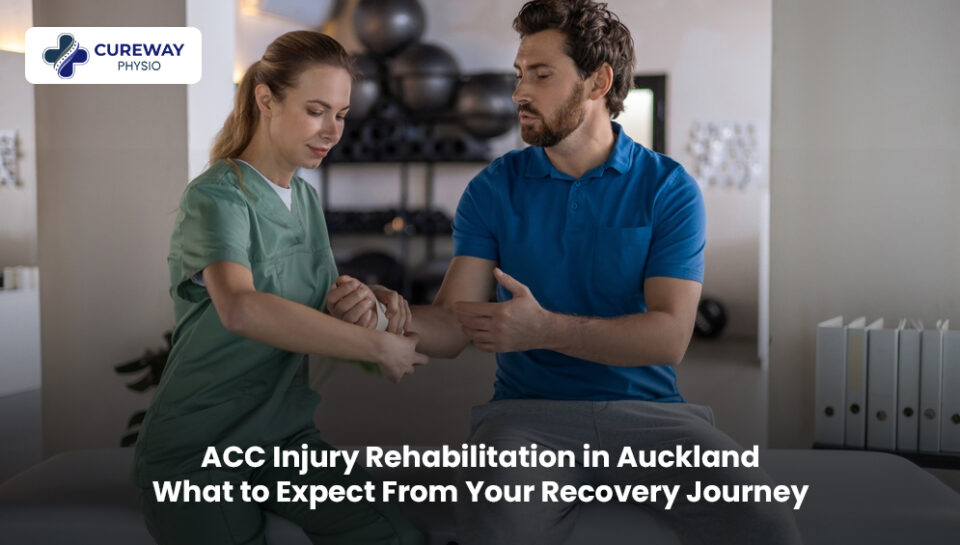
ACC Injury Rehabilitation in Auckland: What to Expect From Your Recovery Journey
 by
An unexpected injury can change your daily routine in an instant. Simple activities like walking, working, driving, or exercising may suddenly become difficult. Getting the right support early can make a meaningful difference to your recovery journey.
For people dealing with accident-related injuries, ACC provides a pathway to access treatment and rehabilitation in New Zealand. Physiotherapy is one option that can help restore movement, improve strength, and build confidence after an injury.
If you are looking for ACC Injury Rehabilitation in Auckland, understanding how the process works can help you make informed decisions about your care. From your first assessment to your rehabilitation exercises, knowing what to expect makes the journey easier to manage.
At Cureway Physio in Henderson, Auckland, physiotherapy care focuses on individual needs, injury management, and helping people work towards their everyday goals.
What Is ACC Injury Rehabilitation?
ACC injury rehabilitation is a treatment and recovery process for people who have experienced an accident-related injury covered by the Accident Compensation Corporation (ACC).
The aim is to support recovery and help injured people return to their usual activities as safely as possible.
Rehabilitation may involve different physiotherapy approaches depending on the injury and the person’s physical condition.
These may include:
- Movement and mobility exercises.
- Strengthening exercises for affected muscles.
- Hands-on physiotherapy techniques.
- Balance and coordination training.
- Advice on managing everyday activities.
- Gradual return-to-work or sports guidance.
Not every person needs the same treatment. A physiotherapist considers the nature of the injury, symptoms, movement limitations, and recovery goals before recommending an appropriate plan.
How Does ACC Physiotherapy Work in Auckland?
Understanding the ACC process can remove some uncertainty when seeking treatment after an accident.
In many cases, you can visit a doctor, physiotherapist, after-hours medical centre, or hospital for injury assessment. Your treatment provider can lodge an ACC claim on your behalf.
Here is a general overview of the process:
- Get your injury assessed
Start by visiting an appropriate healthcare professional. They will assess your injury, discuss your symptoms, and determine the next steps.
- Submit an ACC claim
Your treatment provider can complete the necessary ACC claim paperwork. You do not usually need to organise the initial claim form yourself.
- Wait for the cover decision
ACC reviews the claim and confirms whether the injury is covered. You may receive confirmation by text or letter.
- Arrange physiotherapy treatment
If physiotherapy is appropriate, you can arrange treatment with a suitable provider. Share your ACC claim details with the clinic.
- Follow your rehabilitation plan
Your physiotherapist will monitor your progress and adjust your treatment as your movement, strength, and function improve.
ACC generally contributes towards eligible treatment costs, but you may need to pay a portion yourself. The amount depends on the treatment arrangements and applicable ACC funding rules.
Always confirm the clinic’s fees and any additional costs before starting treatment.
What Types of Injuries Can ACC Rehabilitation Help With?
Accidents can affect different parts of the body. Some injuries cause immediate pain, while others become more noticeable over the following days.
Depending on the circumstances and ACC cover, physiotherapy may support rehabilitation for injuries such as:
Back and neck injuries
Back and neck injuries can affect posture, movement, and daily comfort. Physiotherapy may help improve mobility, strength, and functional movement.
Shoulder injuries
Shoulder injuries can make lifting, reaching, and dressing uncomfortable. Rehabilitation may include mobility work and progressive strengthening.
Knee and ankle injuries
Falls, twists, and sports accidents can affect the knee or ankle. Balance exercises and strengthening may help improve stability and movement.
Muscle strains and ligament injuries
Muscle and ligament injuries can limit physical activity. A suitable rehabilitation programme can help restore strength and function.
Sports-related injuries
Injuries during training or competition may require a gradual return to physical activity. Rehabilitation can focus on movement control, strength, and sport-related demands.
Work-related injuries
Physical work, unexpected accidents, and workplace incidents can lead to injuries. Physiotherapy may help people work towards their usual job activities again.
Treatment suitability depends on clinical assessment and the accepted ACC claim. A physiotherapist can explain which options may be appropriate for your situation.
What to Expect During Your First ACC Physiotherapy Appointment
Your first appointment is an important opportunity to understand your injury and discuss your recovery goals.
Rather than starting with a generic exercise routine, a physiotherapist will first learn about your symptoms and physical limitations.
Your initial consultation may include:
Discussion about your injury
You will be asked how the injury happened, when symptoms started, and which activities cause discomfort.
Physical assessment
The physiotherapist may assess your movement, flexibility, strength, balance, and functional ability.
Understanding your daily challenges
You can explain how the injury affects your work, household responsibilities, sleep, exercise, or other activities.
Treatment recommendations
Based on the findings, your physiotherapist will discuss suitable treatment options and rehabilitation goals.
A plan for future sessions
You may receive exercises or practical advice to follow between appointments. Your plan can change as your condition improves.
Being open about your symptoms and concerns helps your physiotherapist understand what support you need.
How Is a Personalised Injury Rehabilitation Plan Created?
Every injury has different recovery requirements. Two people with similar injuries may experience different symptoms and need different rehabilitation approaches.
A personalised treatment plan considers several factors:
- Type and severity of the injury.
- Current pain and movement limitations.
- Muscle strength and joint mobility.
- Physical demands of your job.
- Sporting and recreational activities.
- Progress during previous treatment sessions.
- Individual recovery goals.
For example, someone recovering from an ankle injury may need balance and walking exercises. Another person with a shoulder injury may need controlled movement and strengthening.
Your physiotherapist can gradually adjust exercises as your physical ability changes.
The focus should be on steady, appropriate progress rather than rushing back into demanding activities.
Why Are Rehabilitation Exercises Important for Recovery?
Physiotherapy appointments are only one part of the recovery process. What you do between sessions can also influence your progress.
Rehabilitation exercises are selected to address specific physical limitations.
Depending on your injury, they may help with:
Improving movement: Gentle mobility exercises can help address stiffness and restricted movement.
Building strength: Targeted exercises can improve muscle capacity and support everyday activities.
Developing balance: Balance training may help improve stability after certain lower-limb injuries.
Restoring coordination: Controlled movement exercises can help improve how different muscles work together.
Building activity confidence: Gradual progression can help you become more comfortable with daily movements.
Follow the exercises recommended by your physiotherapist. Avoid adding extra intensity or changing your programme without discussing it with them.
If an exercise causes unexpected pain or makes your symptoms significantly worse, stop and seek professional advice.
How Long Does ACC Injury Rehabilitation Take?
One of the most common questions after an accident is how long recovery will take.
There is no fixed timeline for ACC injury rehabilitation. Recovery depends on several factors, including:
- The type of injury.
- The severity of tissue damage.
- Your general physical condition.
- How the injury affects daily activities.
- Your response to treatment.
- Other health or physical factors.
Some minor injuries may improve over a relatively short period. More complex injuries can require longer rehabilitation and additional professional support.
Your physiotherapist can review your progress during appointments and discuss realistic recovery goals.
Remember that progress is not always perfectly consistent. Some days may feel easier than others. Regular communication with your healthcare provider helps keep your treatment plan appropriate.
Common Mistakes That Can Slow Down Your Injury Recovery
Wanting to return to normal activities quickly is understandable. However, rushing the process can sometimes create additional challenges.
Here are some common mistakes to avoid:
- Returning to intense activity too early
Your body may need time to rebuild strength and movement control. Follow professional advice before increasing physical demands.
- Ignoring ongoing symptoms
Persistent or worsening symptoms deserve attention. Do not assume that discomfort should always be ignored.
- Skipping recommended exercises
If your physiotherapist has prescribed exercises, consistency can help you work towards your rehabilitation goals.
- Comparing your recovery with others
Recovery varies between individuals. Your progress should be assessed against your own condition and goals.
- Not communicating with your physiotherapist
Tell your physiotherapist about changes in pain, movement, sleep, or daily activities. This information can help guide treatment adjustments.
Practical Ways to Support Your Recovery Between Physio Sessions
Small, sensible habits can support your rehabilitation outside the clinic.
Consider these practical steps:
- Follow your prescribed exercise programme.
- Take breaks when activities increase discomfort.
- Avoid sudden increases in physical activity.
- Maintain a comfortable daily movement routine.
- Follow any work or activity modifications recommended by your healthcare provider.
- Attend scheduled appointments.
- Discuss new or worsening symptoms with your physiotherapist.
Rest and movement both have a role in recovery. The right balance depends on your injury and individual circumstances.
If you are unsure whether an activity is suitable, ask your physiotherapist before continuing.
Why Choose Cureway Physio for ACC Injury Rehabilitation in Auckland?
Finding a physiotherapy clinic that understands your injury and listens to your concerns is an important part of the rehabilitation journey.
Cureway Physio provides personalised physiotherapy services in Henderson, Auckland, with a focus on individual care and functional recovery.
The clinic offers support across several areas, including:
- ACC Injury Rehabilitation.
- Musculoskeletal Injury Physiotherapy.
- Sports Injury Physiotherapy.
- Pain and Injury Management.
- Holistic and preventative physiotherapy care.
The treatment approach focuses on understanding your physical needs and working towards meaningful recovery goals.
Whether an injury affects your work, sports, walking, or everyday activities, an appropriate physiotherapy plan can help you work towards better movement and function.
Looking for ACC Injury Rehabilitation in Henderson, Auckland?
Cureway Physio is located at Shop 8/357 Great North Road, Henderson, Auckland 0612.
Contact the clinic to discuss your injury and arrange an appointment.
Website: https://curewayphysio.nz/
Phone: +64 22 302 0722
Email: info@curewayphysio.nz
Frequently Asked Questions About ACC Injury Rehabilitation
1. What is ACC injury rehabilitation?
ACC injury rehabilitation is a recovery process for people with eligible accident-related injuries. It may include physiotherapy, exercises, movement training, and other approved treatment options to help restore physical function.
2. Can I visit a physiotherapist directly for an ACC injury?
Yes. You can generally approach a physiotherapist directly after an accident-related injury. Your treatment provider can assess your condition and lodge an ACC claim on your behalf when appropriate.
3. Does ACC pay for physiotherapy in Auckland?
ACC may contribute towards eligible physiotherapy treatment for accepted injury claims. However, patients may need to pay a surcharge or part of the treatment cost. Check the clinic’s current fees before booking.
4. Do I need a GP referral for ACC physiotherapy?
A GP referral is not always required. You can generally approach a physiotherapist directly, who can assess your injury and help with the ACC claim process if appropriate.
5. How long does ACC injury rehabilitation take?
Recovery time depends on your injury, its severity, physical condition, and response to treatment. Your physiotherapist can review your progress and recommend suitable rehabilitation goals.
Conclusion: Take the Next Step Towards Recovery
An injury can affect more than just your physical movement. It can interrupt your work, exercise routine, and everyday responsibilities.
Getting the right rehabilitation support can help you understand your condition and work towards regaining strength, mobility, and confidence.
If you need ACC Injury Rehabilitation in Auckland, professional physiotherapy support can help you take a structured approach to recovery.
Cureway Physio provides personalised physiotherapy care in Henderson, Auckland, with treatment focused on individual needs and functional goals.
Contact Cureway Physio today to discuss your injury and take the next step towards recovery.